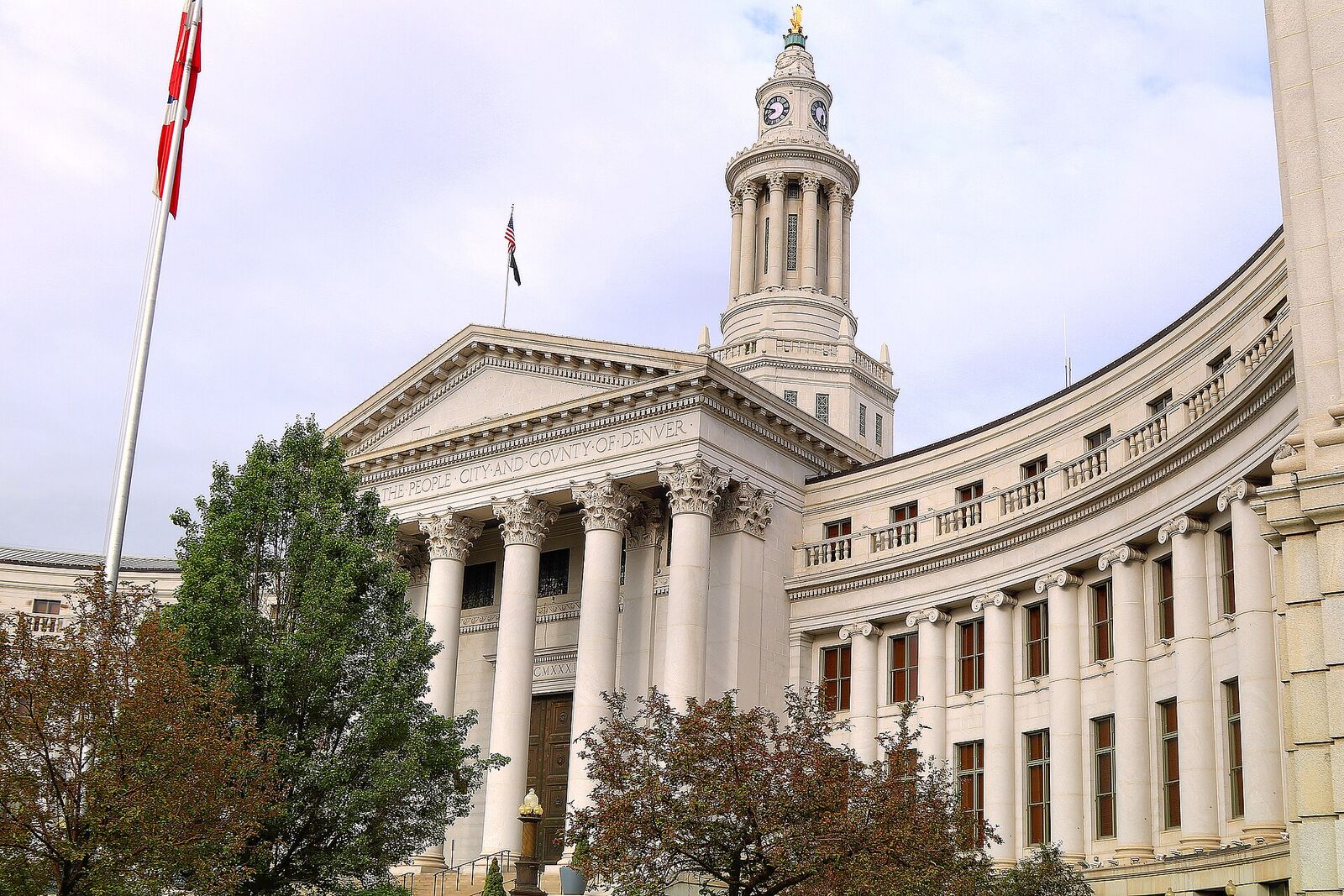
Denver City Council voted 8-3 on Nov. 9 to pass the city's $1.684 billion General Fund budget for 2027, but the vote settled little. Mayor Mike Johnston had already accepted the Council's amendments on Nov. 6, and the Denver Gazette reported the budget as adopted that day. What matters is who the budget pays and who it squeezes.
Temporary rent and utility aid
Denver 2026 vs 2027
$ millions
Down 44% ($6.6M) from this year.
| Item | $ millions |
|---|---|
| 2026 | 15.1 |
| Mayor's first 2027 proposal | 4.5 |
| Adopted 2027 | 8.5 |
New revenue and the raise
$ millions
The raise equals about 59% of the projected new revenue.
| Item | $ millions |
|---|---|
| Projected new revenue, 2027 | 17.5 |
| 2% merit raise for eligible city workers | 10.4 |
Contingency reserve: 2.01% of General Fund spending (about $33.8M), about $170,000 above the 2% charter minimum.
Sources: Denverite, Nov. 10, 2026; Denver Gazette, Nov. 7, 2026; Mayor Johnston's letter to Council, Nov. 6, 2026. Analysis by Denver Latest; percentages computed from the figures shown. These are selected items, not the whole $1.684 billion General Fund budget.
Who gains
- City employees. Eligible workers get a 2% merit raise costing $10.4 million, according to Denverite. The budget avoids furloughs and layoffs.
- Downtown and construction-hit businesses. Johnston's letter adds support for businesses hurt by construction. The city is betting on sales tax to drive its recovery, and Denverite reported that the 16th Street area has already seen a jump since the pedestrian zone reopened.
- Anyone who calls 911 or 311. The budget adds staff to the 911 center and the 311 call center, according to the mayor's letter, plus park rangers and inspections staff and repairs to seven road bridges.
Who pays
- Renters on the edge of eviction. Temporary rent and utility aid falls to $8.5 million for 2027 from $15.1 million this year, a cut of about 44%, or $6.6 million. Council pushed it up from the $4.5 million the mayor first proposed after renters and housing advocates warned that deep cuts would leave more families facing eviction, the Gazette reported. The program still shrinks by nearly half.
- Mental health response. Requests for more money for the STAR program, which responds to emergency calls that do not need an armed response, did not succeed. Council member Paul Kashmann said STAR cannot cover "the thousands and thousands of STAR-related calls" it gets, and voted no.
- Denver Health. The budget gives the hospital authority no extra money. It adds about $2 million to offset the costs of Denver CARES, the Gazette reported.
What it means for the city's finances
The budget is a squeeze. The city projects revenue growth of 1.1% in 2027, or $17.5 million, the Gazette reported. The merit raise alone takes about 59% of that new money, which leaves little room for anything else. That is why the amendments Council won were paid for by moving money around: from the contingency reserve, existing department budgets and other sources.
The cushion is now thin. Contingency falls from 2.06% to 2.01% of General Fund spending, about $33.8 million. The city charter sets a 2% minimum, so the budget sits roughly $170,000 above the legal floor. If revenue comes in below the 1.1% projection, the city cannot draw the reserve down further and will have to cut spending during the year.
That makes sales tax the budget's biggest bet. General Fund spending rises 1% after falling more than 2.5% across the previous two budgets, Denverite reported, as federal money dried up and the economy wavered. The city is counting on a downtown rebound to rebuild revenue.
The vote and what comes next
Denver has a strong-mayor system, so Council's final vote had little effect, as Council member Serena Gonzales-Gutierrez said: "it doesn't matter if we up here on council do pass or don't pass the budget." Denver Politics, citing the city's posted roll call, reported that Flor Alvidrez, Paul Kashmann and Shontel Lewis voted no and that Stacie Gilmore was absent. Denverite also reported the 8-3 count. In November 2025 the motion to adopt the 2026 budget failed 6-6, and the budget took effect anyway, Denver Politics reported.
Denver Politics reported that the Long Bill and companion bills, including a $15.4 million transfer from the Climate Protection Fund to capital projects, are due for a final Council vote by Nov. 23. The same outlet reported a separate year-end bill that would spend the rest of this year's contingency.
Sources
- Mayor Mike Johnston letter to Denver City Council, Nov. 6, 2026 (City and County of Denver)
- Johnston accepts City Council's proposed 2027 budget changes (The Denver Gazette)
- Denver's $1.68B budget passed. Council members weren't thrilled about it (Denverite)
- Denver's Council adopted the 2027 budget 8-3, a year after it deadlocked on the last one (Denver Politics)
- How each Denver Council member voted on the 2027 budget (Denver Politics)